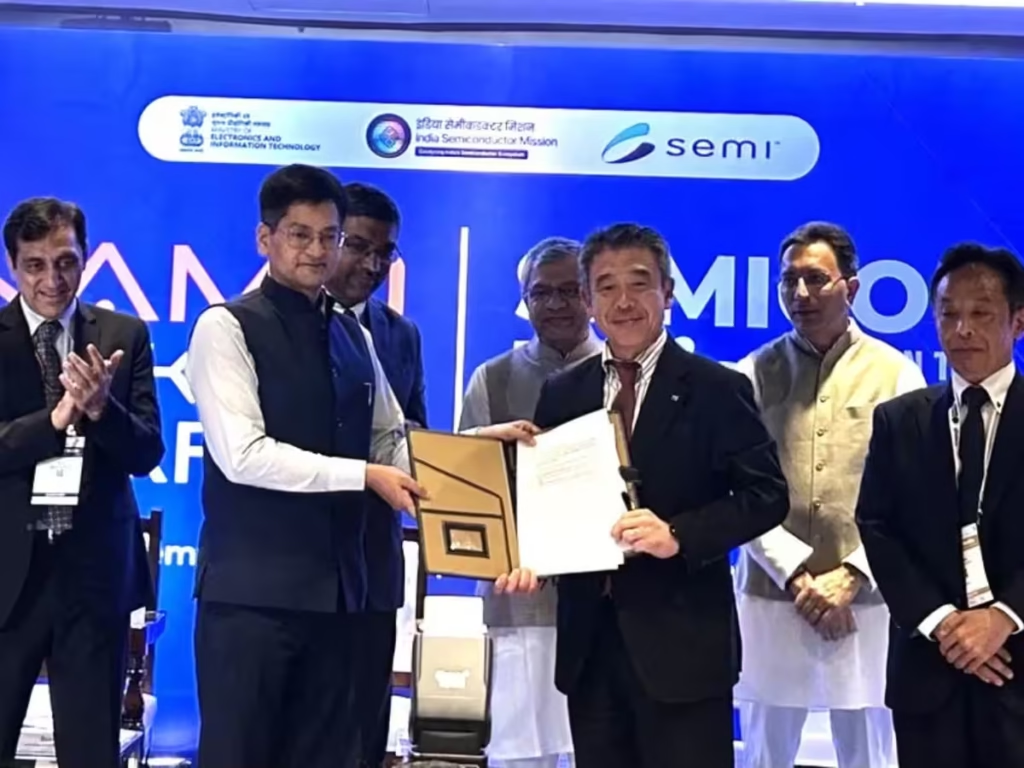
Dholera’s semiconductor ecosystem is gaining another international connection with Nexperia and Tata Electronics announcing a strategic partnership focused on semiconductor manufacturing, technology collaboration and ecosystem development.
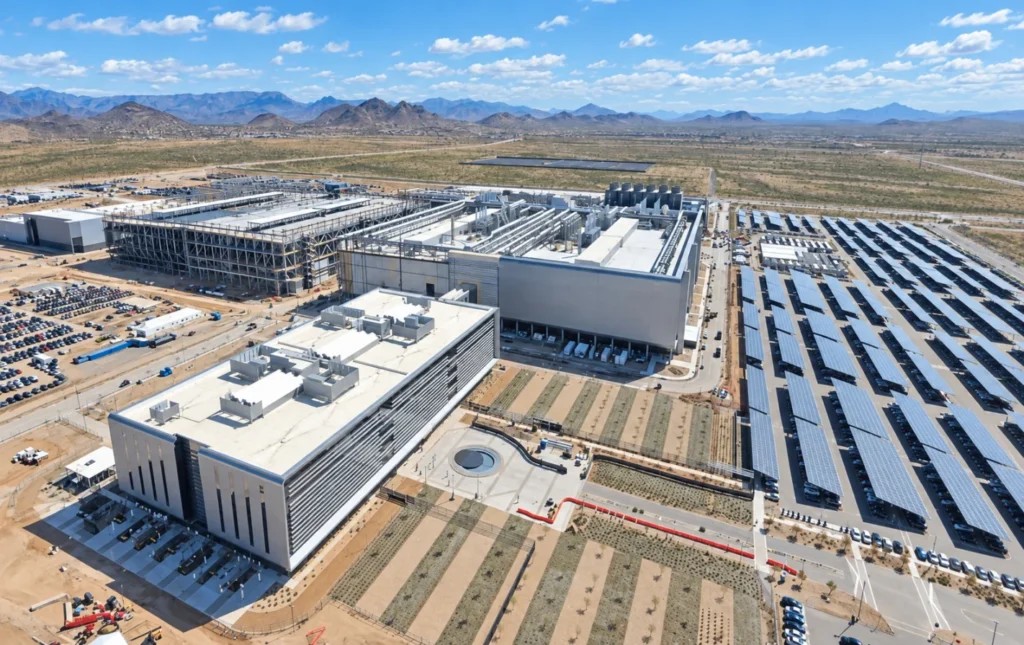
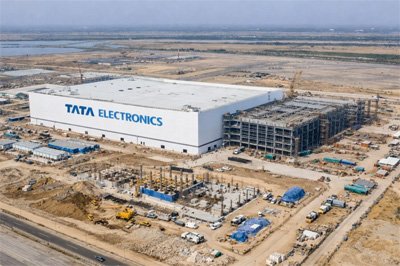
Announced in September 2026, the agreement includes plans to explore the manufacture of Nexperia’s semiconductor products at Tata Electronics’ upcoming 300 mm semiconductor fabrication facility in Dholera.
Nexperia and Tata Electronics Announce Partnership
Tata Electronics and Nexperia announced the partnership on September 17, 2026. The collaboration covers wafer fabrication, assembly and testing, technology cooperation and innovation.
A key part of the agreement is the potential manufacturing of Nexperia’s MOSFET portfolio at Tata Electronics’ planned Dholera fab. Nexperia’s products are used across automotive, industrial, consumer and power-management applications.
For Dholera SIR, the announcement adds another international semiconductor company to the network developing around Tata Electronics’ facility.
Dholera’s Semiconductor Ecosystem Expands
The Nexperia partnership comes as Tata Electronics develops relationships across different parts of the semiconductor value chain.
Recent announcements include Fujifilm’s plan to invest approximately ₹800 crore in phases in a semiconductor materials plant in Dholera. Tata Electronics has also partnered with Sojitz Corporation and NRS Corporation on a supply and storage framework for semiconductor materials.
Another partnership with Kelington focuses on critical infrastructure and systems required for semiconductor manufacturing at the Dholera facility.
Together, these developments indicate that the Dholera semiconductor project is evolving beyond a single fabrication facility into a broader industrial ecosystem.
What a Semiconductor Ecosystem Requires
A semiconductor manufacturing cluster depends on a network of specialised companies and services, including:
- Semiconductor materials and chemicals
- Manufacturing equipment
- Engineering and technical services
- Specialised logistics
- Assembly and testing
- Technology and research
- Skilled technical professionals
The recent partnerships cover several of these areas, highlighting how the industrial ecosystem around Dholera is beginning to take shape.
Connectivity Will Support Industrial Growth
The development of the semiconductor cluster also increases the importance of connectivity.
Dholera is supported by the Ahmedabad–Dholera Expressway, the planned Sarkhej–Dholera semi-high-speed rail corridor and Dholera International Airport, alongside the wider SIR infrastructure network.
As industrial activity expands, these connections will be important for transporting people, equipment and specialised materials.
What to Watch Next
The key developments to monitor include:
- Progress on Tata Electronics’ semiconductor fab
- Further international semiconductor partnerships
- Semiconductor-material facilities and supplier infrastructure
- Specialised logistics and supply-chain development
- Engineering and technical talent development
- Progress on supporting Dholera SIR infrastructure
RWI Perspective
The Nexperia-Tata Electronics partnership is another important development in Dholera’s evolving semiconductor ecosystem.
While the semiconductor fab remains the central project, partnerships spanning manufacturing, materials, logistics and infrastructure show that the development is becoming increasingly interconnected.
For those following the Dholera project current status, these developments provide important indicators of the region’s transition toward a broader industrial ecosystem.
RWI Developers will continue tracking major industrial and infrastructure developments across Dholera through its News & Insights platform.